





Pearl was established in 1883 as a working brewery, where production shaped both the architecture and daily rhythm of the site. Buildings were designed for specific functions, from brewing and fermentation to bottling and storage, using durable materials such as brick and steel.
By the late 20th century, this system had ceased operation, leaving behind a collection of structures defined by their material integrity and industrial scale.
Adaptive Reuse as Framework
In the early 2000s, redevelopment led by Silver Ventures prioritized preservation over replacement. Rather than reconfigure the site entirely, existing buildings were adapted for new uses, allowing their structure and proportions to guide what came next.
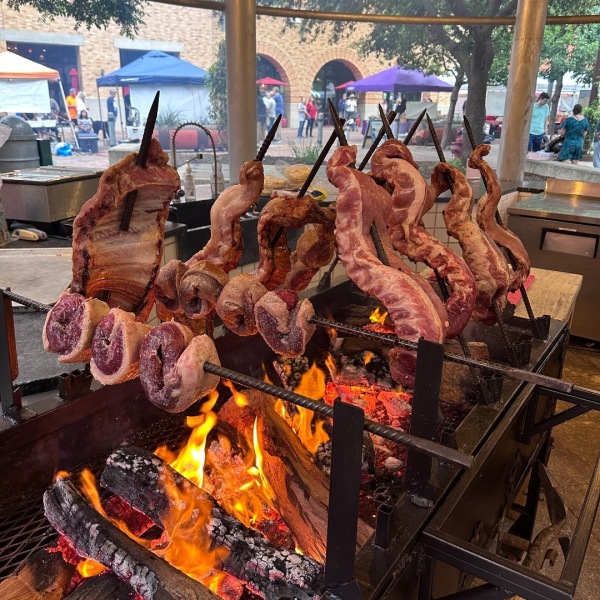
Dining and hospitality emerged within these constraints, shaped directly by the buildings themselves.
Boiler House

Located within the former boiler house, this structure once played a supporting role in the brewery’s operations, generating energy for the wider campus. Its heavy masonry construction and utilitarian form reflect that function, distinct from the larger brewing halls but essential to how the site operated.
Today, the building has been adapted for dining while retaining its industrial clarity. Exposed materials, structural elements, and original proportions remain visible, allowing the space to carry forward its earlier identity even as its use has changed.
Southerleigh Fine Food & Brewery

Southerleigh occupies the original brewhouse, one of the most significant structures on the site. The building’s scale and height were designed to accommodate brewing equipment, and those proportions remain intact.
Today, brewing has returned in a contemporary form, with visible tanks integrated into the dining environment, maintaining a direct relationship between the building’s original purpose and its current use.
Larder at Hotel Emma & Hotel Emma

Hotel Emma occupies the former brewhouse and fermenting cellars, where large scale industrial spaces have been adapted into hospitality interiors. Original machinery and structural elements remain in place, creating a layered environment where past and present are closely aligned.
Within it, Larder at Hotel Emma operates as a market and dining space, extending the idea of food production into a more public, everyday format.
A Different Kind of Proximity
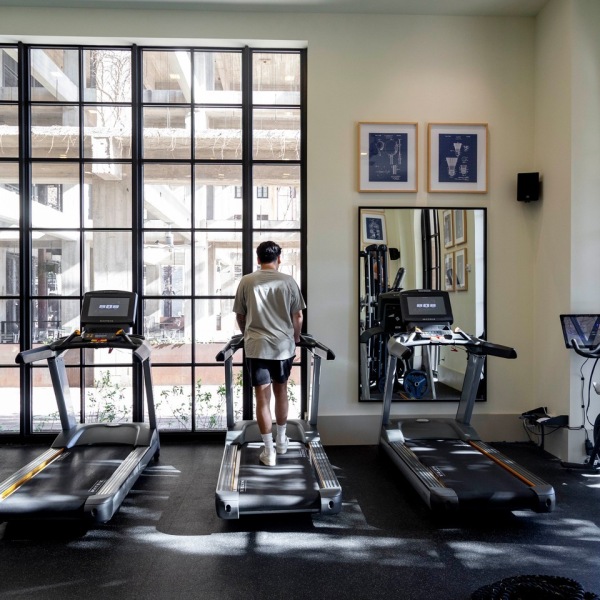
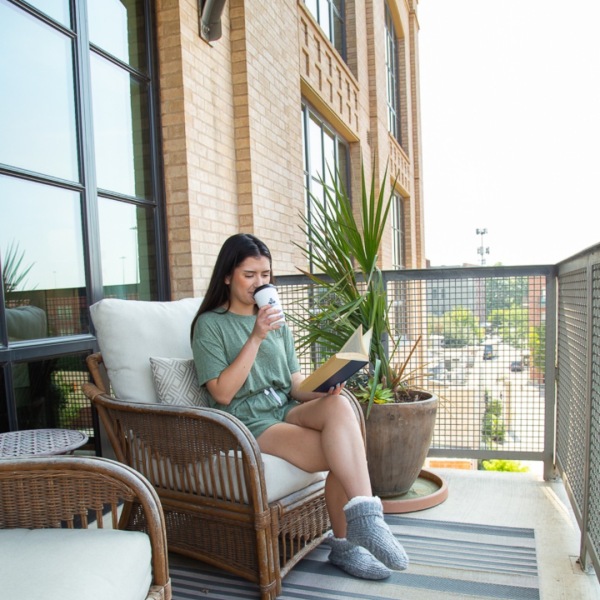
At Cellars, this transformation becomes part of daily life. Positioned on the site of a former 1950s storage warehouse, the building remains tied to Pearl’s industrial history while existing within its current pattern of hospitality and gathering.
From here, access to restaurants and public spaces is immediate, shaped by walkability and proximity rather than distance.
Discover a home at Cellars, where the history of Pearl continues to shape how the neighborhood is experienced each day.