





San Antonio’s food culture is part of what gives the city its depth. In 2017, San Antonio was named a UNESCO Creative City of Gastronomy, becoming the second city in the United States to receive the designation. The recognition reflects a culinary identity shaped by Indigenous, Mexican, Spanish, European, African American, and regional South Texas traditions.
For residents of Cellars at Pearl, that history is part of daily life. Pearl sits within one of San Antonio’s most active culinary districts, where restaurants, markets, education, and local food production are all within walking distance.
Pearl Brings Culinary Culture Into Everyday Reach
Pearl is more than a place to dine. It is a neighborhood where food is connected to learning, craft, and public life. The Culinary Institute of America’s San Antonio campus is located at Pearl, giving the district a role in training future chefs and hospitality professionals.
That presence adds substance to the neighborhood. Cellars residents live near a working food community shaped by chefs, makers, students, farmers, and local producers.
The Weekend Market Connects Cellars to South Texas Producers
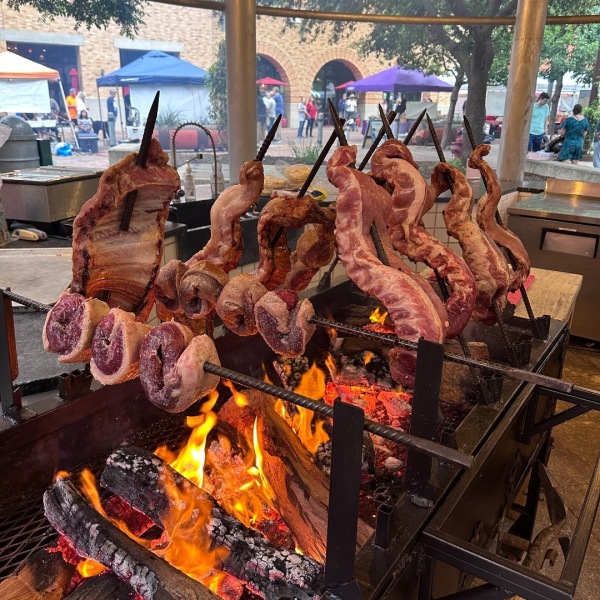
The Pearl Weekend Market is one of the clearest examples of that connection. Pearl describes its Saturday market as an open-air grocery experience focused on local farmers and ranchers, with seasonal produce and meats from South Texas.
Pearl also notes that its market vendors come from within a 150-mile radius of San Antonio. For Cellars residents, this brings regional food culture close to home. A market visit can become part of a Saturday morning walk, a weekly routine, or a simple way to understand what is in season across South Texas.
Connected to San Antonio’s Everyday Food Culture
Living at Cellars means living close to the systems that shape San Antonio’s culinary identity: regional producers, trained chefs, seasonal ingredients, neighborhood rituals, and places designed for people to gather.
San Antonio’s UNESCO designation may be global, but at Cellars, it feels local and immediate. It appears in a walk to the market, dinner nearby, coffee close to home, and the daily experience of living within one of the city’s most culturally connected neighborhoods.